Something you heard about our servos brought you to learn more.
And while it's a fair bet it was something good, it's also reasonable to suspect you're tired of claims about who makes the world's best.


And while it's a fair bet it was something good, it's also reasonable to suspect you're tired of claims about who makes the world's best.
But don't take our word for it . . .
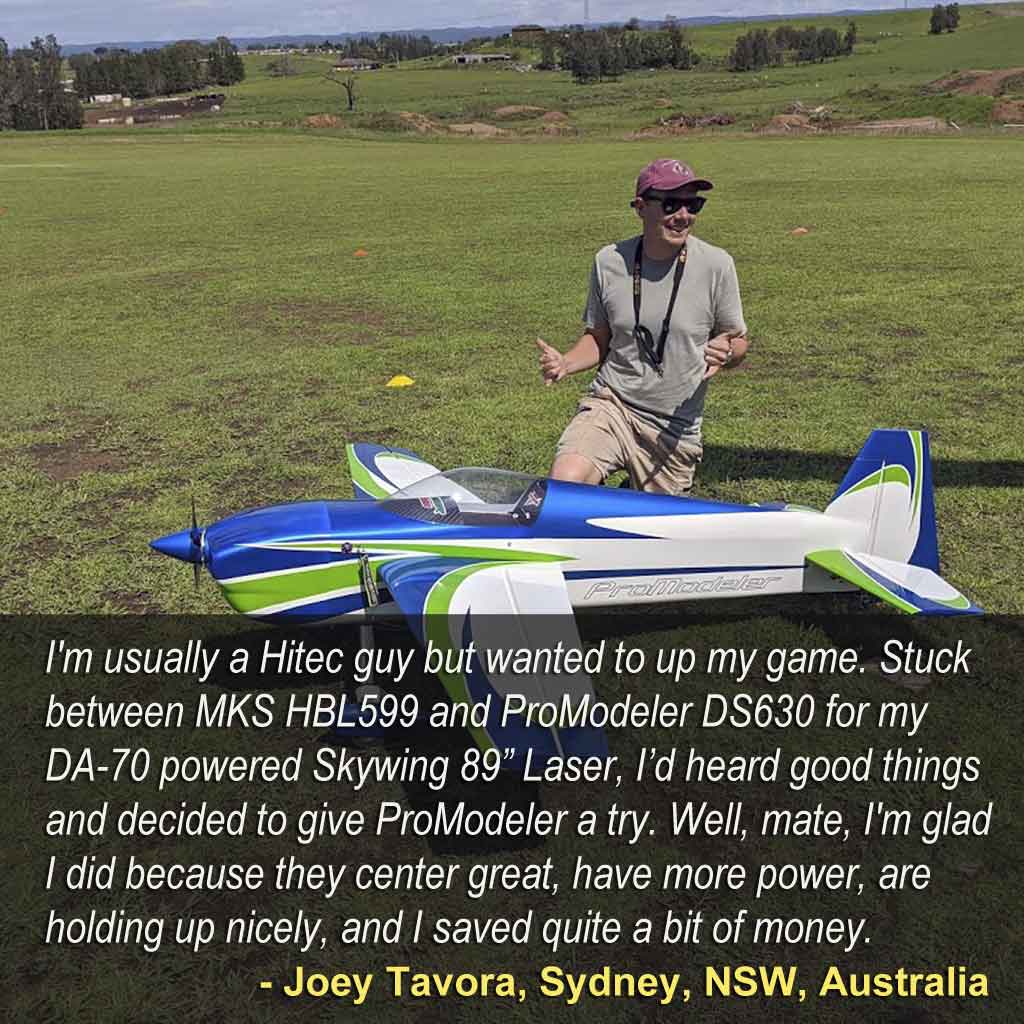


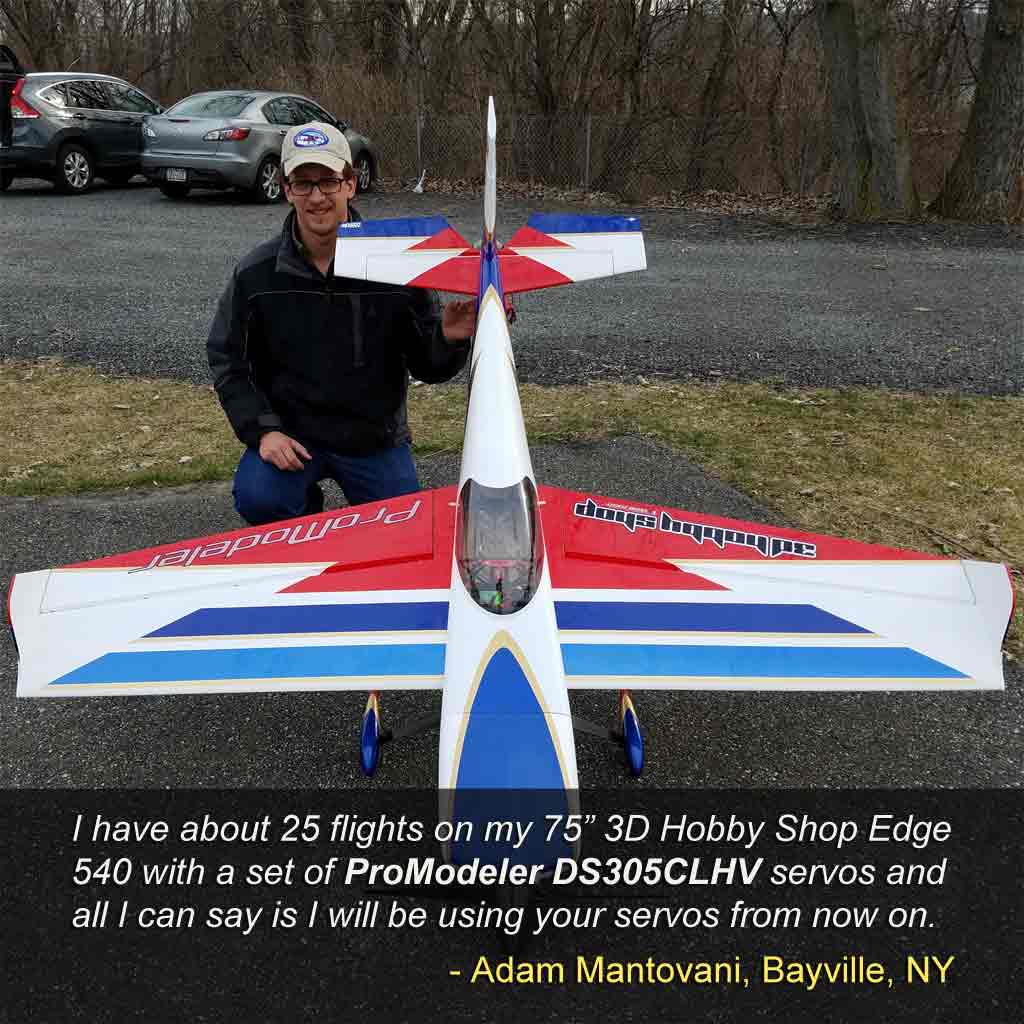
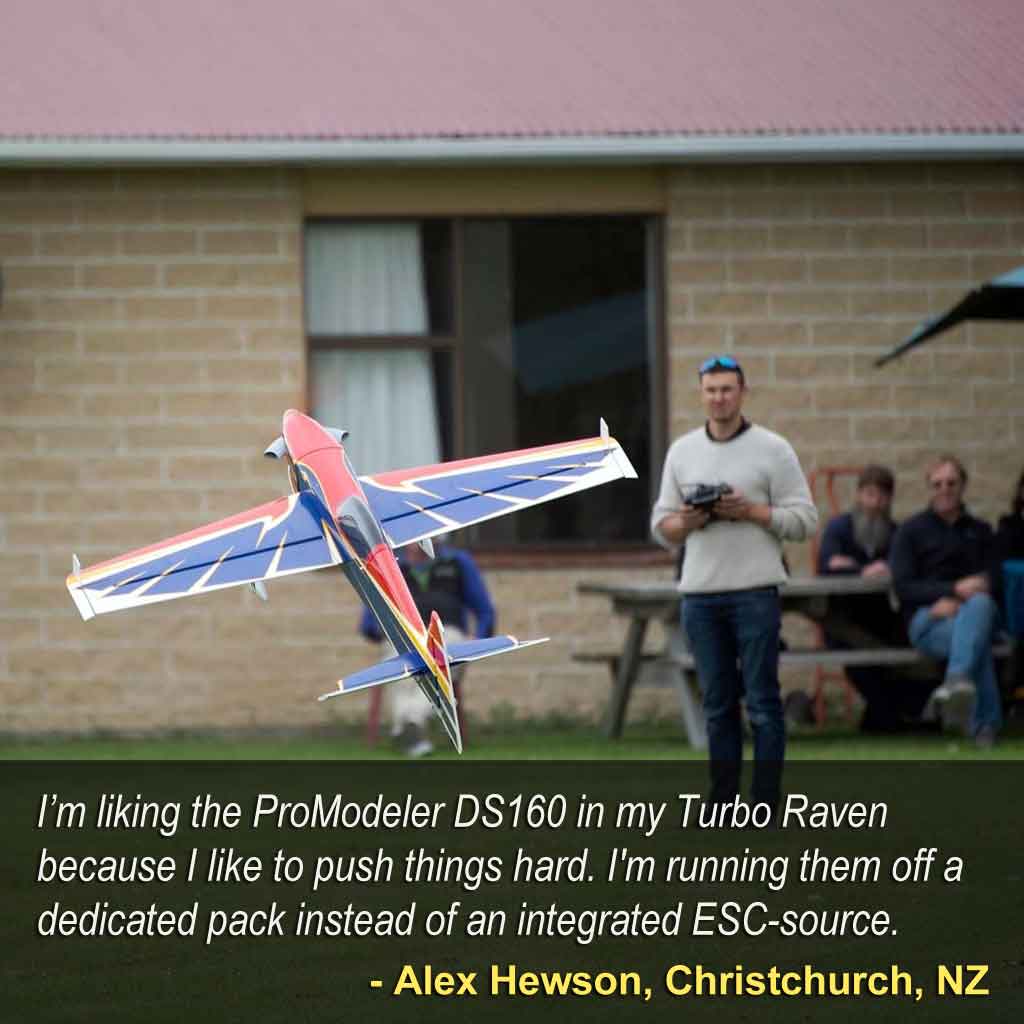
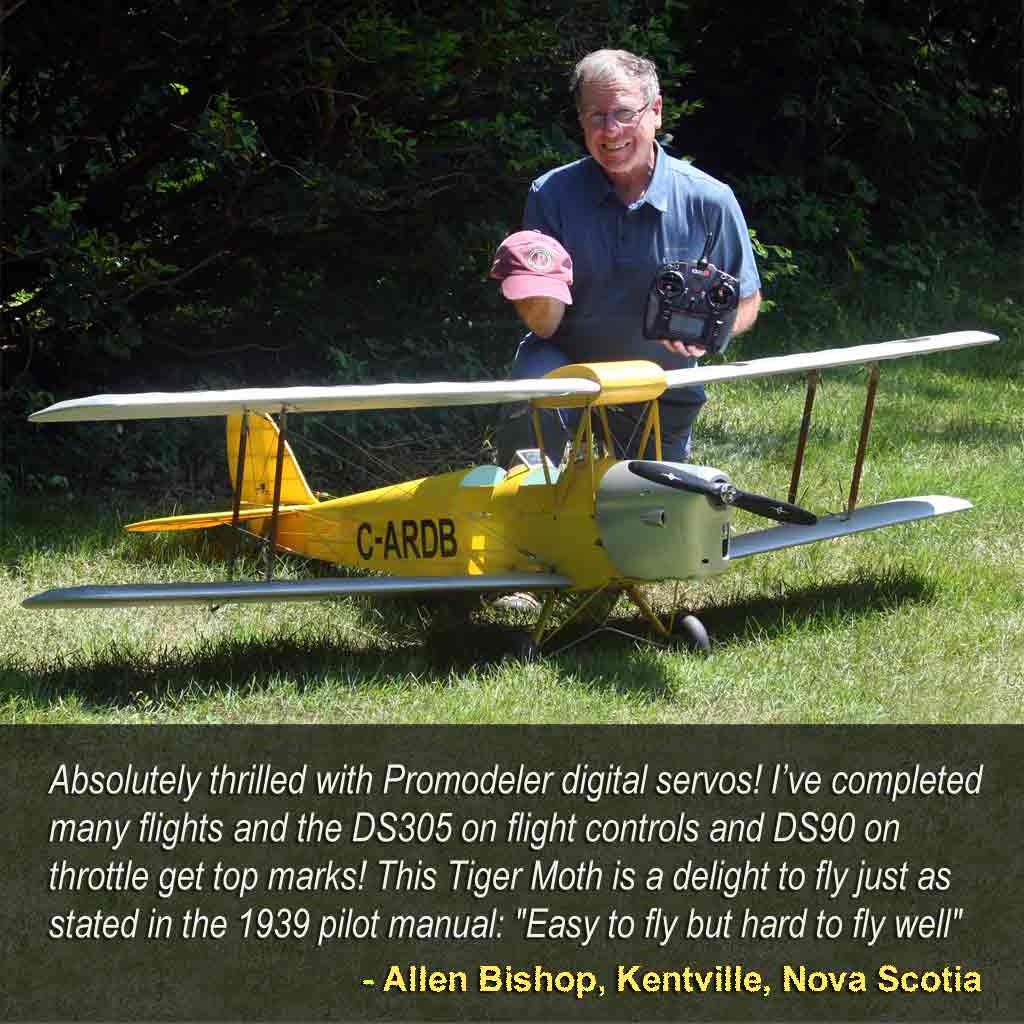

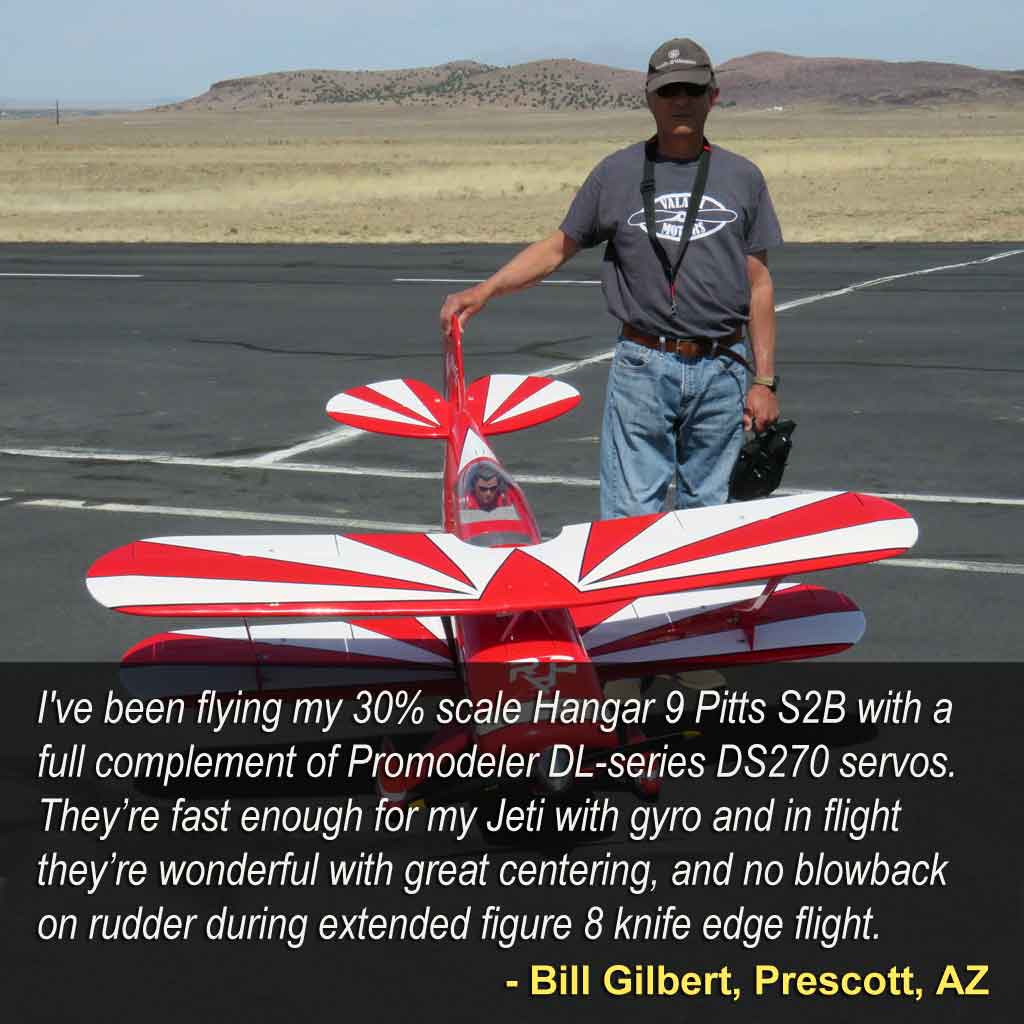
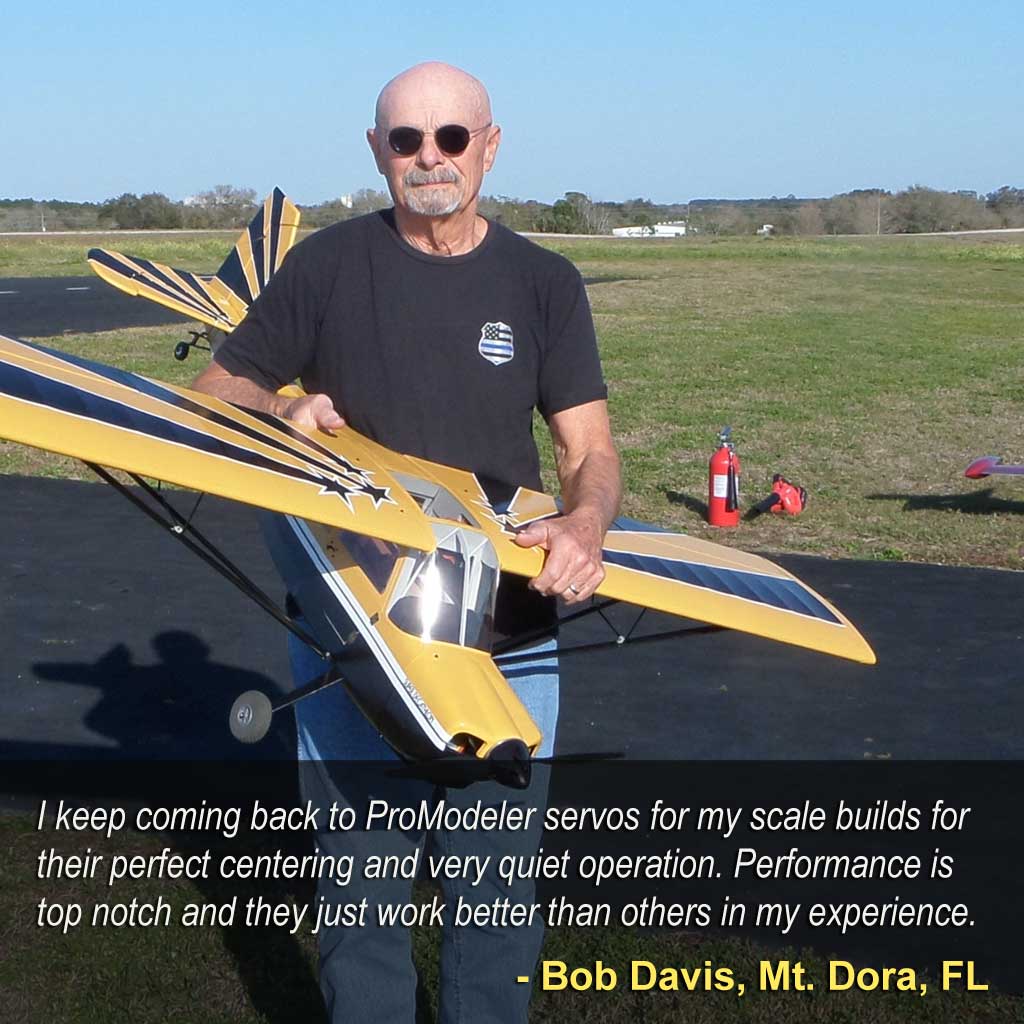
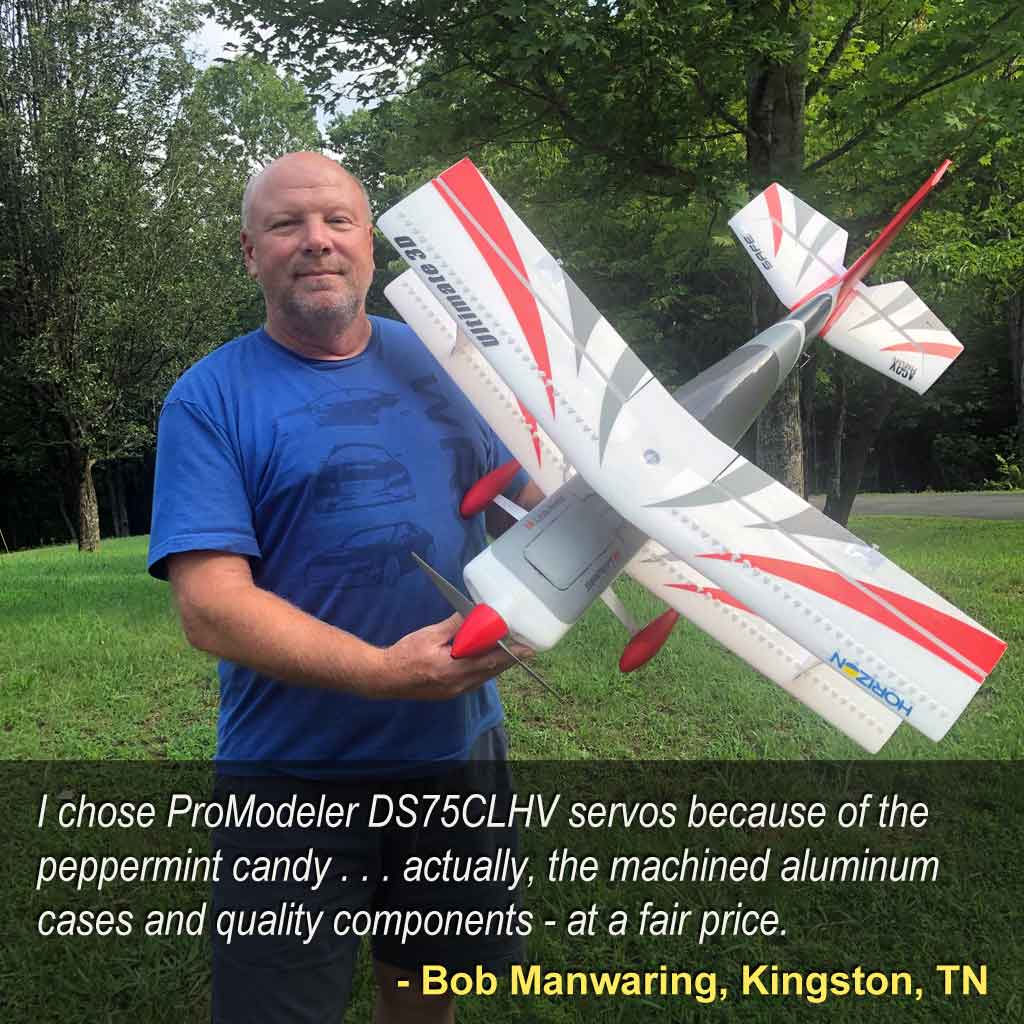
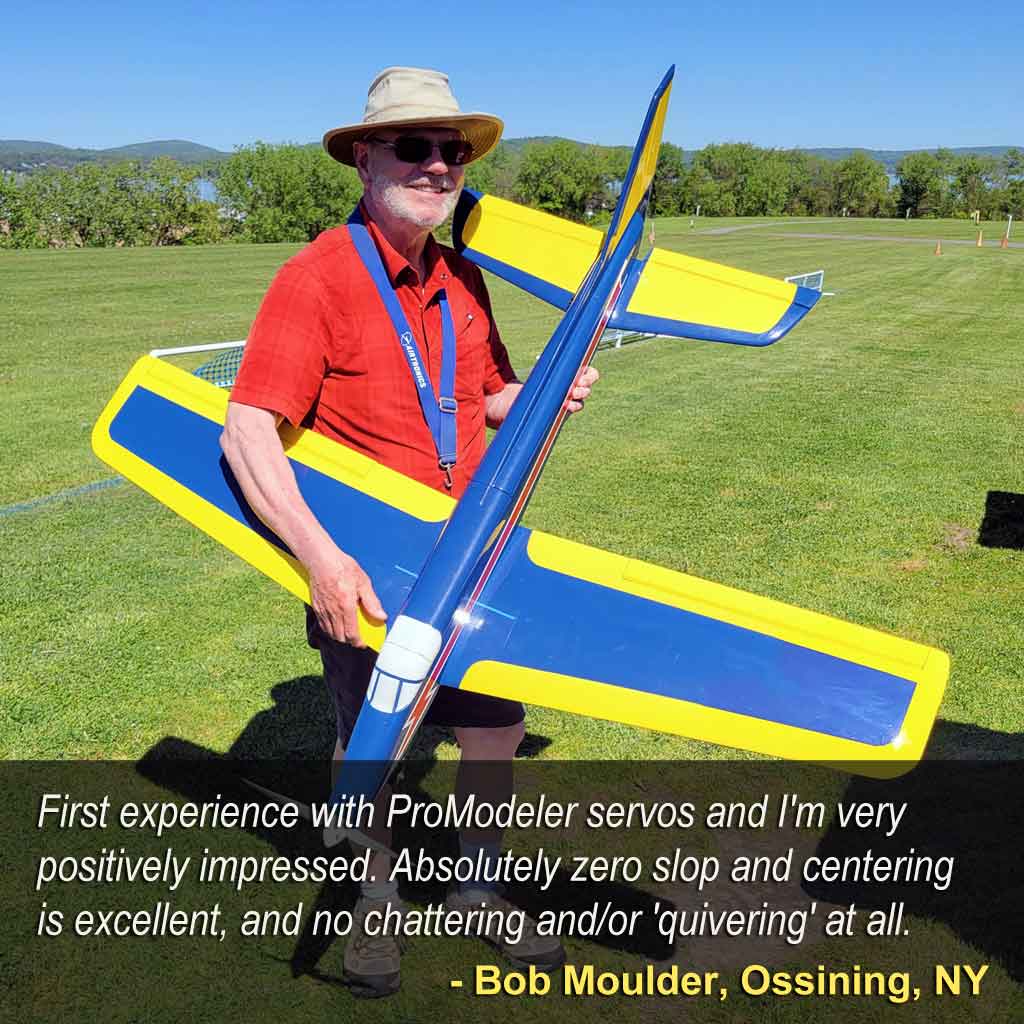


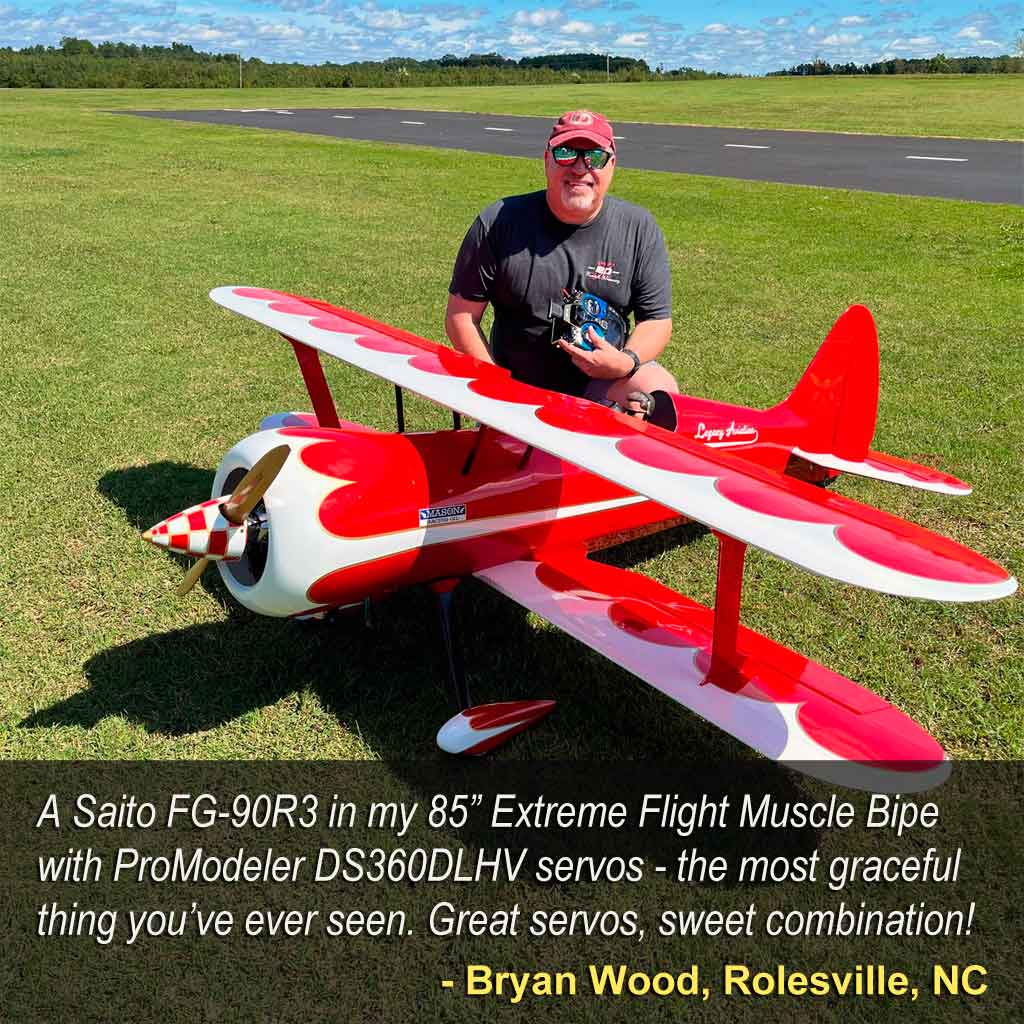
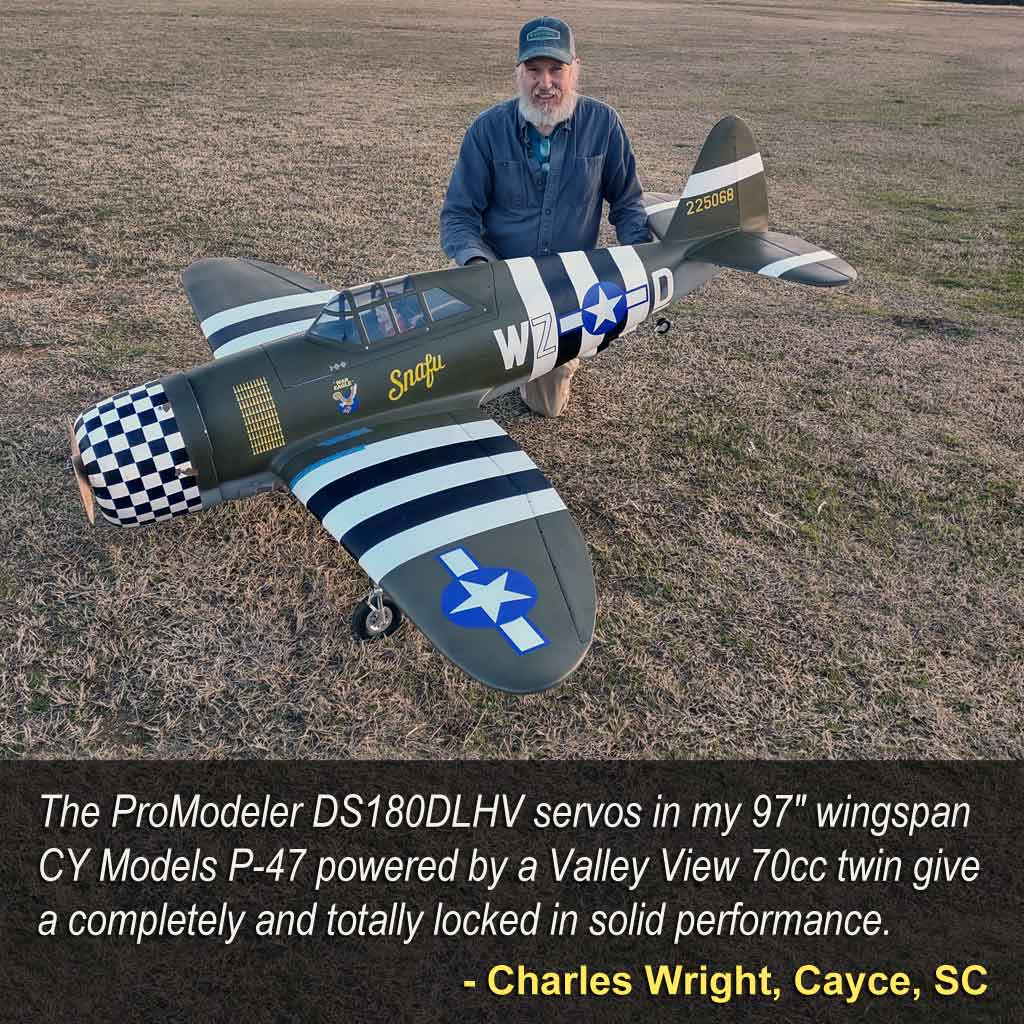

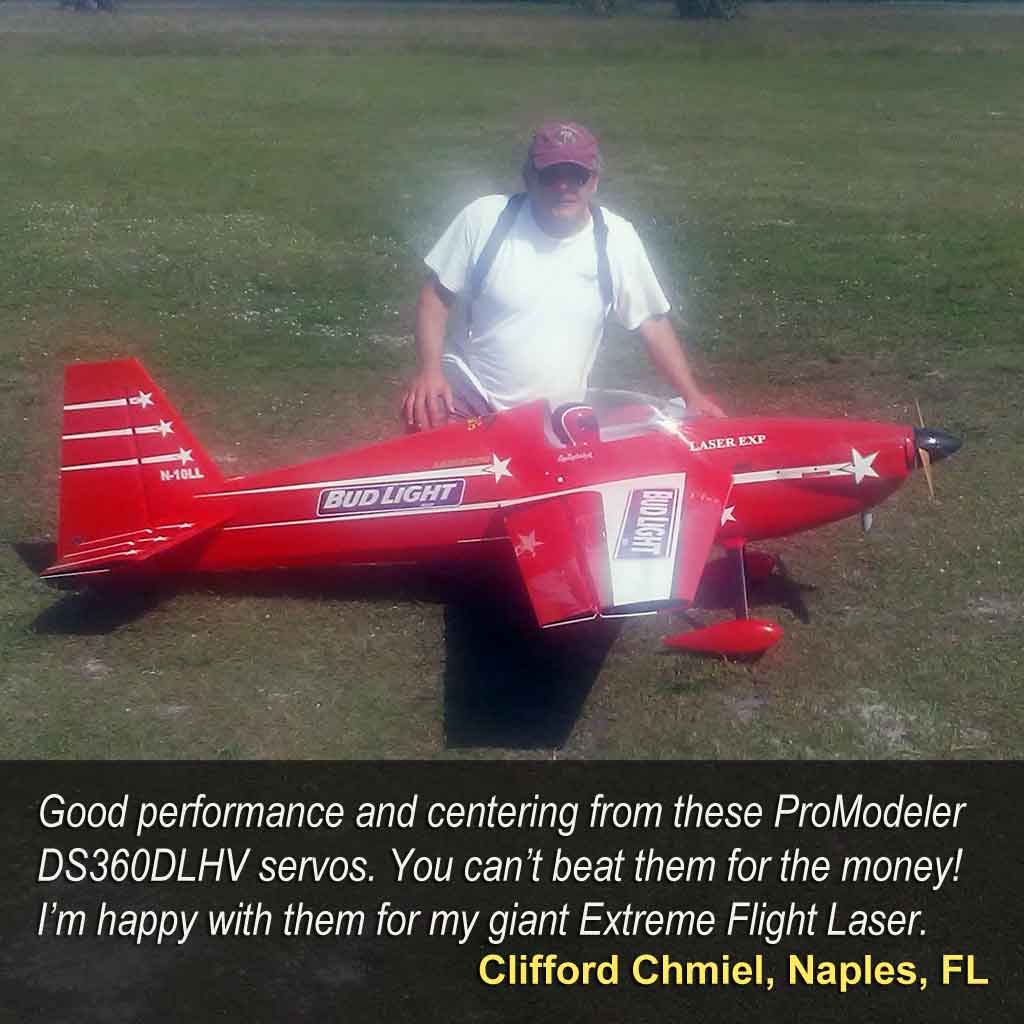

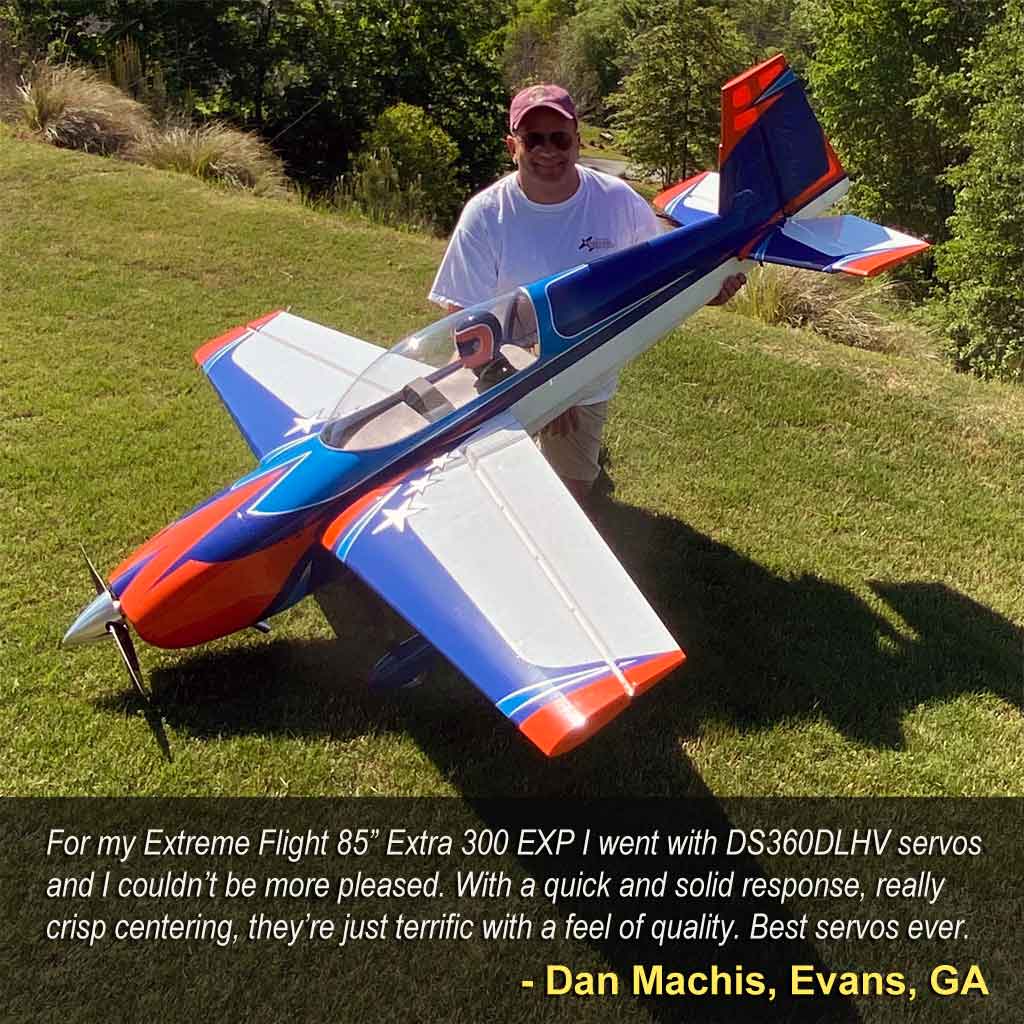
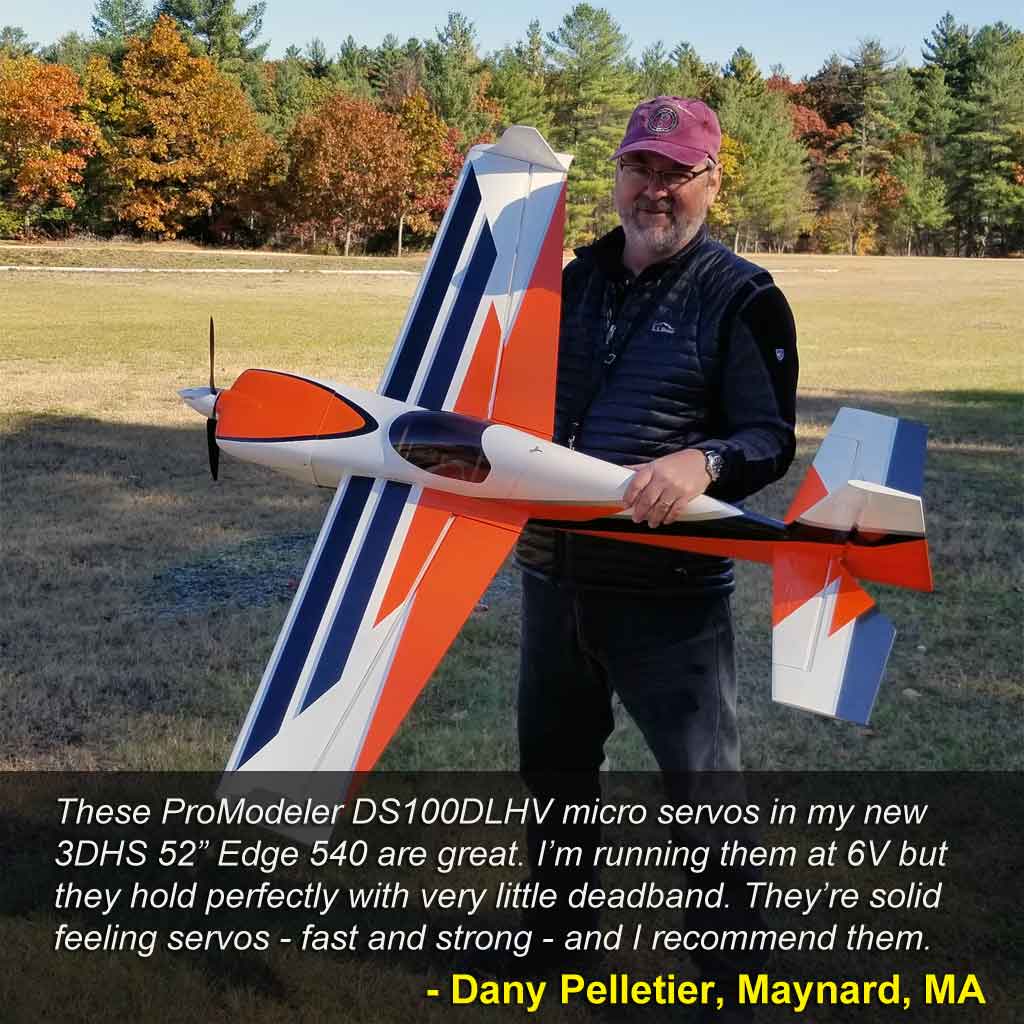
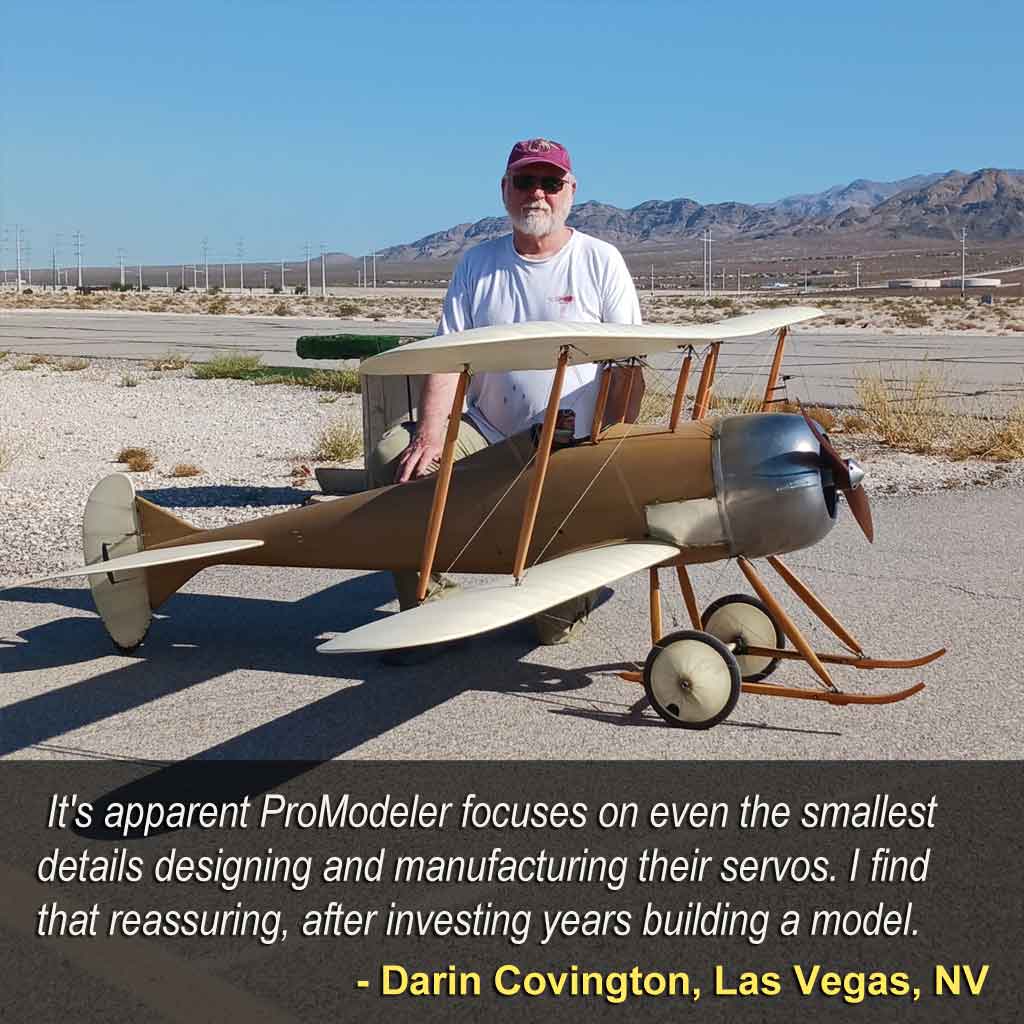
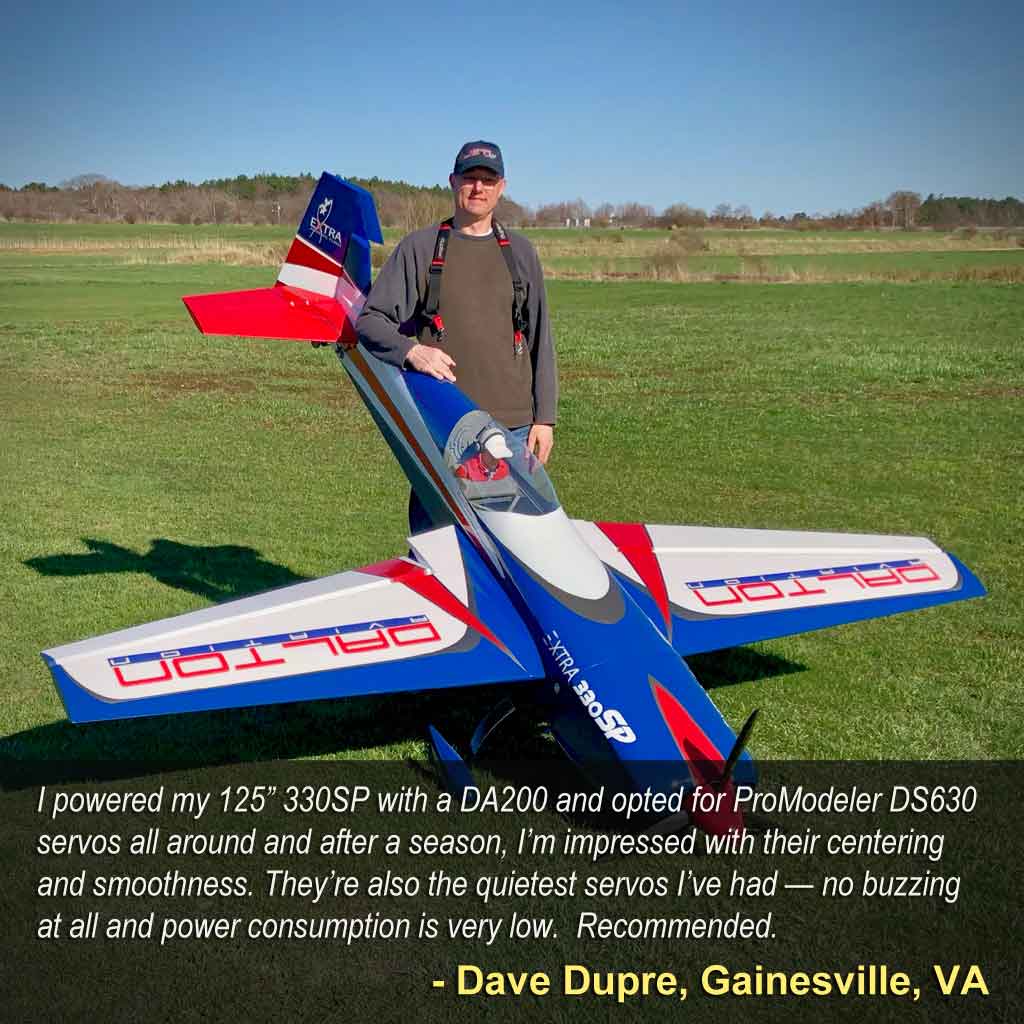
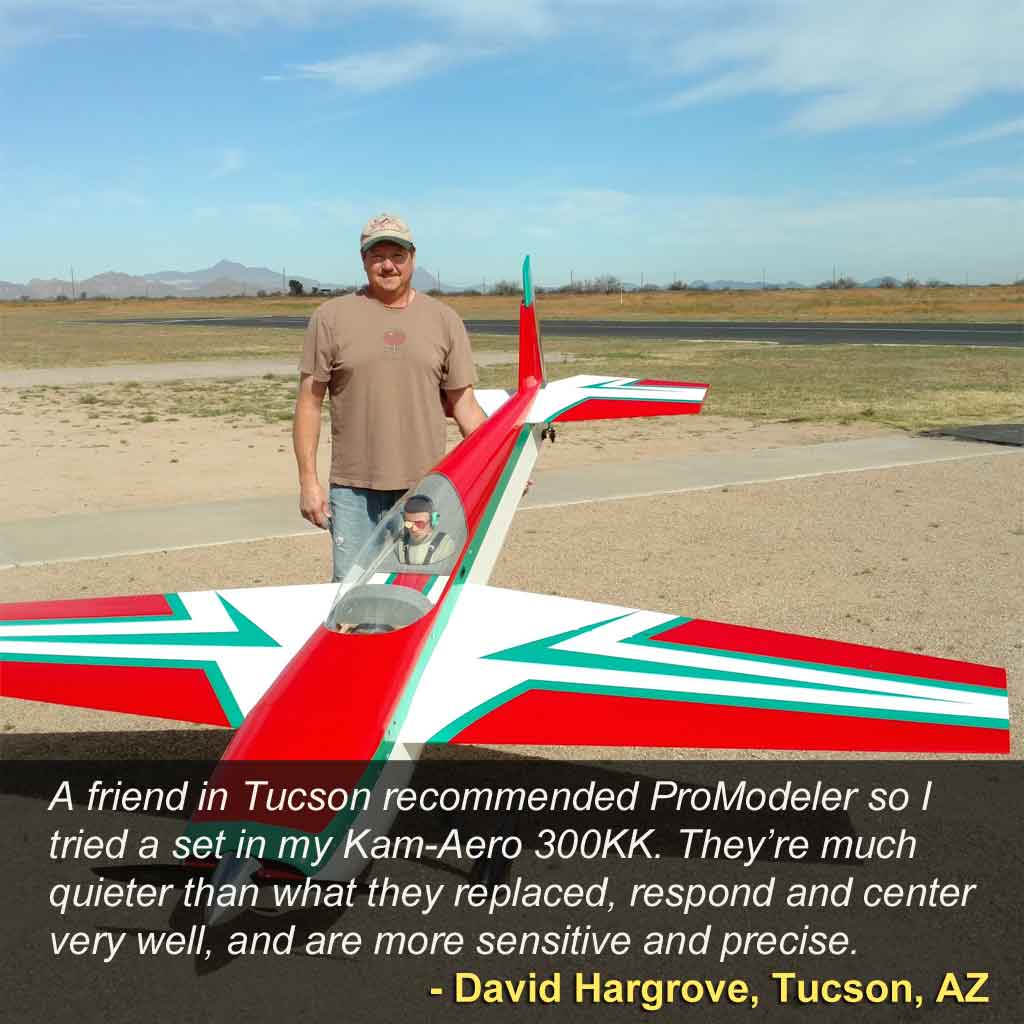

Hi, I’m John Beech and like you, I’ve got the modeling bug. Built my first RC model over the winter of 1972, and never stopped. As background, after crashing a model due to switch failure, I hit on using 2-switches in parallel (odds of both failing on the same flight are astronomical). Friends liked the idea, and a side gig making 2-lead battery packs quickly became a real job!
When a chance conversation with a contracting officer led to the realization servos had a market beyond hobbyists, provided they met certain MIL-STDS, we refocused our attention. And like many of you, we're not the type for half-measures, so the secret to our success meant ignoring what others do.
Instead, we focused on better component parts. Cost more, but meant better servos. Then to keep prices in line with imports, we cut out the middleman (distributors and hobby shops) and offered them direct at distributor pricing. And just like that . . . wholesale to everyone changed the game.
Savvy modelers quickly picked up on what we were about, but when word spread to contractors, it led to the doors to government and industry cracking open. And that's when business exploded.


One look at the humongous control surfaces and the extreme control throws should clue you in, it's not a run-of-the-mill aerobatic model, it exists for 3D/XA maneuvers!

So, while pictures may be worth a 1000-words . . . video tells you the whole story!

Interestingly, in flight, nobody notices the difference in torque (635oz-in vs 768oz-in), however, 100% of pilots easily feel the vast difference between slow and fast servos. Or as a wise wag once put it . . . whisky is whisky until you taste good whisky!
Note; pilots using gyros especially benefit because piezo crystals react before you recognize things are going pear-shaped. This isn't an opinion, it's physics!
There's more to ProModeler than just servos. And it's not the bits and bobs to help complete your model like servo arms, switches, extensions and battery packs.
Instead, it's found within submenus of EDU (short for educational). Consisting of categories like askJOHN, bestPRACTICE, caseSTUDY, howTO, and matchUP, whether the squeeze is worth the juice is up to you!
For example, an askJOHN article may delve into getting back into RC after 20 years, or tooling up your workshop. bestPRACTICE exists for more technical stuff like mechanical setup, calculating voltage loss, and tips about throttle servo installation. Folks find value within caseSTUDY articles because while everyone has an opinion regarding what's best for you servo-wise, we show how to account for price and performance to make the best decision for your needs! Meanwhile, matchUP articles are competitive teardowns of competing servos. Think side-by-side photos showing what's hidden from view.
Whether you're a virgin, experienced, on a budget, or have more money than God, there's something good here. What's more, we don't ask for your email - it's FREE!


